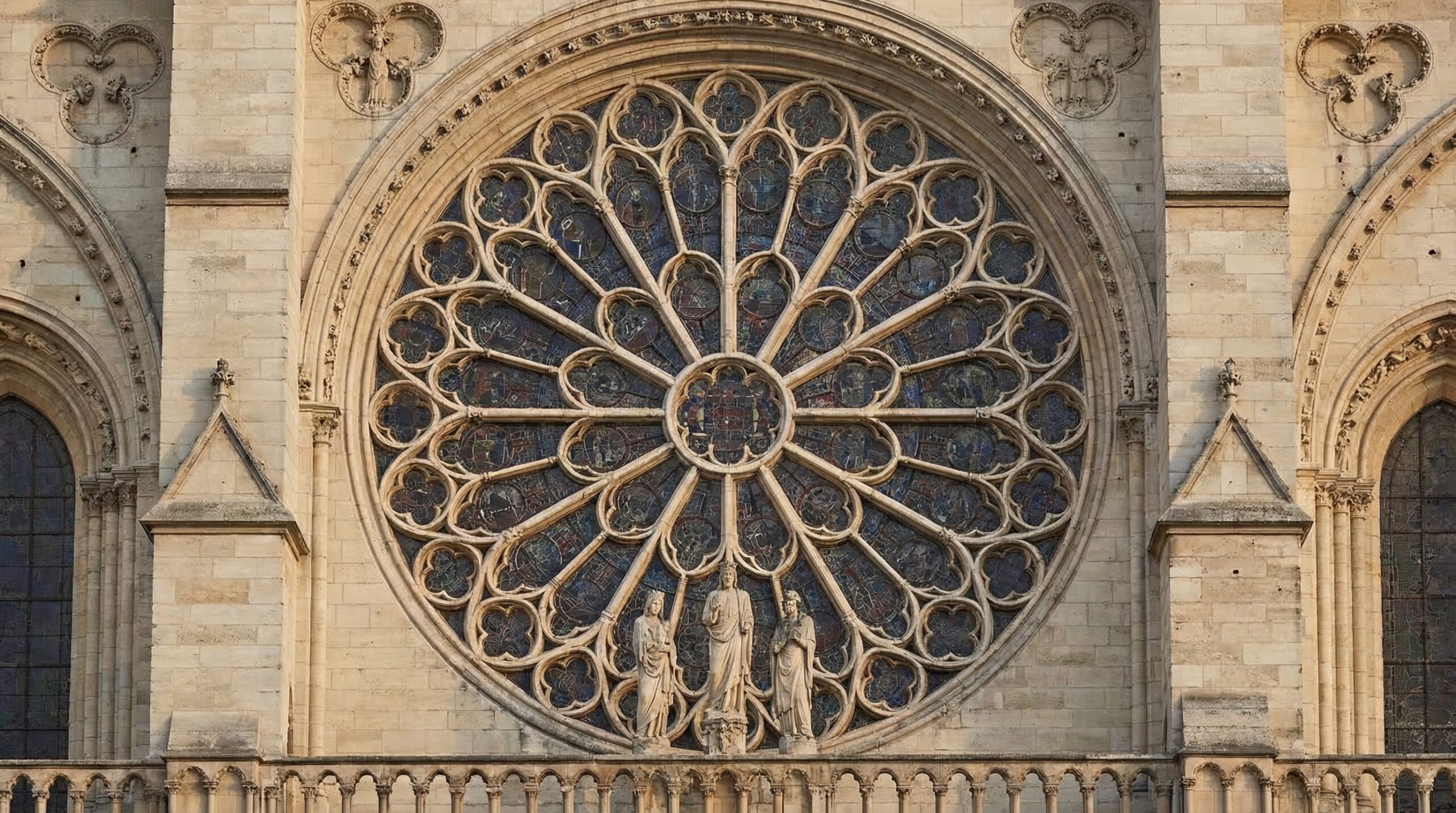
While many people wonder if the landmark is a church or a tourist attraction, it is actually both. Legally and culturally, its status remains unique compared to other world monuments.
In the United States or the UK, churches usually belong to a specific religious organization. However, in France, Notre Dame belongs directly to the government. This distinction matters because it dictates how the site is funded and managed.
The 1905 Law and Ownership
The root of this unusual arrangement lies in the 1905 law regarding the separation of Church and State. This law declared that all religious buildings constructed before 1905 were the official property of the French State.
- Official Owner: The French Government, specifically the Ministry of Culture.
- Primary User: The Catholic Church, under the Archdiocese of Paris.
Under this system, the government pays for all structural maintenance, such as the walls and the roof. Meanwhile, the church remains responsible for religious activities, including the priests, candles, and worship. This division of labor explains why President Emmanuel Macron, rather than the Pope, led the announcement for the 2019 rebuilding efforts.
A Powerful National Symbol
Notre Dame is officially listed as a Monument Historique and sits within a protected UNESCO World Heritage Site. To the French people, it represents the nation itself, regardless of an individual’s religious beliefs.
Pivotal Moments in History
- The Revolution: During the French Revolution, activists renamed it the “Temple of Reason.” They even beheaded statues of kings because they hated the monarchy.
- The Liberation: When Paris was liberated from Nazi occupation in 1944, General de Gaulle headed straight to Notre Dame. The bells rang out across the city to announce a new era of freedom.
- The 2019 Fire: When the cathedral burned, people of all faiths and even atheists sent money. They were not just saving a church; they were preserving a piece of French identity.
What This Means for Your Visit
Because the cathedral is a national monument, the rules are quite different from those of a private church.
- Free Entry: The government ensures that access remains free for the main cathedral. Therefore, you do not pay an entrance fee just to walk inside.
- Paid Towers: The Centre des Monuments Nationaux, a government agency, manages the towers. Consequently, you pay the state—not the church—to climb the stairs.
- Heightened Security: You will often see soldiers from Opération Sentinelle patrolling the perimeter. They are stationed there because the building is considered a high-profile state target.
Navigating the Heritage Site
When you visit, you are stepping into a site of immense national heritage. You are walking on floors that date back to the 13th century. It is a place where history and daily function coexist; for instance, you might see a government official inspecting a masonry repair while a priest gives a sermon nearby.

Leave a Reply